
The Morning Routine That Actually Works in Hospitality
There was a period in my life where I used to wake up already carrying the weight of the day.
Before my eyes had properly adjusted to the light, I would feel it. Not panic. Not dramatic dread. Just pressure. A quiet awareness that responsibility was waiting, and that as soon as I fully woke up, I would be stepping back into it.

Why Work Life Balance Is the Wrong Target for Hospitality Leaders
Work–life balance is one of the most repeated pieces of advice in leadership.
And in hospitality, it’s one of the most misleading.
If you run a restaurant, bar, hotel, or oversee multiple sites, you already know the reality. The hours aren’t even. The pressure isn’t predictable. And the responsibility doesn’t clock off just because you’ve left the building.
Yet we measure ourselves against a standard that suggests work and life should sit neatly on opposite sides of a scale.
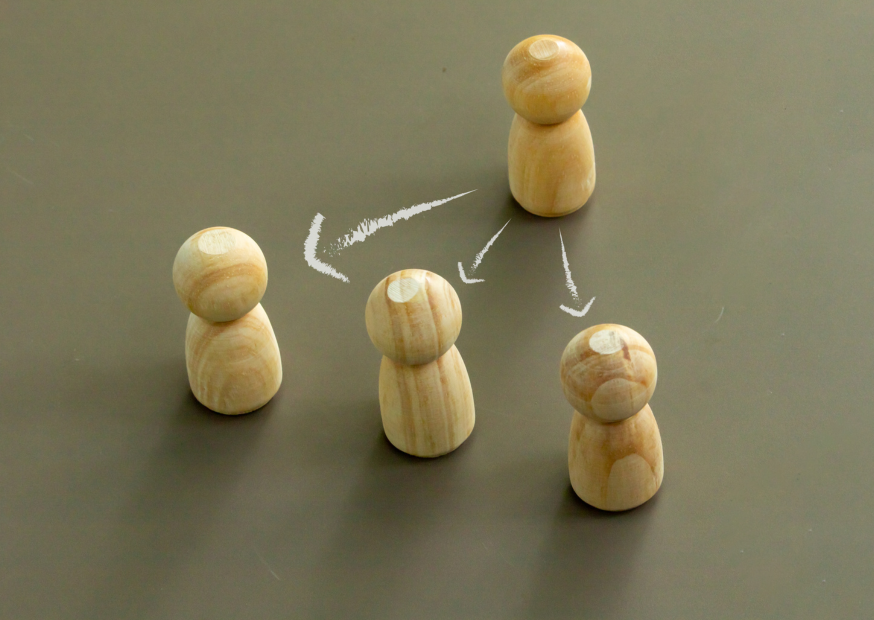
Delegation Isn’t About Letting Go. It’s About Where Pressure Lives
Delegation is one of those leadership fundamentals everyone agrees on.
If you want to grow, you have to delegate.
If you want time back, you have to delegate.
If you don’t want to be the bottleneck, you have to delegate.

Why I’m Talking Less About Burnout and More About Pressure
Burnout is a word that has helped a lot of people.
It has given language to exhaustion, anxiety, and emotional depletion. It has legitimised conversations around mental health in industries that once treated struggle as weakness. And for many people, myself included, it was the first word that made sense of what was happening internally.
But over time, I’ve realised something important.

5 Toxic Patterns I Stopped to Build Emotional Resilience
Emotional resilience is a word that gets used a lot. It appears in conversations about mental health, leadership, self improvement, mindfulness, and personal development. We’re often told that resilience is about being stronger, coping better, or learning how to push through stress without it showing.
But that framing misses something important.

The Grey Zone: What Comes After Burnout
Burnout doesn’t always end the way people expect it to.
For many hospitality owners and leaders, the anxiety eases first. The panic quiets down. Sleep improves. On the surface, life starts to function again. From the outside, it looks like recovery.

Why Hospitality Leaders Struggle to Sleep And Why It Matters More Than You Think
One of the quietest warning signs of burnout in hospitality isn’t anger, exhaustion, or mistakes on the floor.
It’s sleep.
More specifically, the inability to switch off when the day is done. Lying awake at one in the morning, exhausted but wired. Waking up at three with your chest tight and your mind already running tomorrow’s problems.
7 Secrets to Shut Down Negative Self Talk Without Losing Your Edge
Negative self talk rarely shows up as a sudden crisis. It creeps in quietly. A second guess after a meeting. A win that never quite lands. A mistake that replays long after the day is over.
For founders, operators, and leaders, this voice often feels like part of the job. Almost necessary. Like the price you pay for caring.
But here’s the truth most people never say out loud.
That voice isn’t pushing you forward.
It’s slowly draining you.
And it isn’t a confidence problem either.

5 New Year Resolutions Every Hospitality Leader Actually Needs
New Year’s resolutions tend to divide opinion.
Some people dismiss them entirely, arguing there’s no real difference between the 31st of December and the 1st of January. Others need a clear line in the sand. A moment that feels symbolic. A pause that allows reflection and a chance to reset.

The Art of Detachment
Why You Cant Relax And How To Finally Switch Off
There is a particular kind of exhaustion that doesnt come from long hours alone.
It comes from never really leaving work.
You might walk through your front door. Sit on the sofa. Have dinner with your partner. Even laugh with friends. But part of your brain is still on shift. Replaying conversations. Thinking about tomorrow. Wondering what you missed. Running worst case scenarios just in case something goes wrong while you are not paying attention.

High Functioning Anxiety
When Looking Fine on the Outside Hides Chaos on the Inside
High functioning anxiety is one of the most misunderstood experiences a person can live with, precisely because it rarely looks like a problem from the outside.
You show up. You deliver. You keep things moving. You are reliable, capable, and often the person others turn to when things need sorting. You hit deadlines. You carry responsibility. You make things work. On paper, life looks solid. Career progressing. Business growing. People trusting you.

Stop Restaurant Burnout
3 Steps to Work Life Balance That Actually Work
Restaurant burnout doesnt happen overnight. It builds slowly, quietly, and often invisibly. Long hours become normal. Constant pressure becomes expected. Being always available becomes part of your identity. And before you realise it, the business you worked so hard to build is running entirely on your nervous system.
For years, I believed that working eighty hour weeks was just part of the deal. If I wasnt constantly involved, constantly fixing problems, and constantly available, then I wasnt doing my job properly. I told myself that being indispensable meant being a good owner.

How to Get Whatever You Want in Life
One of the most overlooked reasons people do not get what they want in life is surprisingly simple. They never ask.
We tend to underestimate generosity and overestimate rejection. Before we open our mouths, our minds run ahead and decide the outcome for us. We imagine judgement. We imagine awkwardness. We imagine being told no. And so we protect ourselves by staying silent.
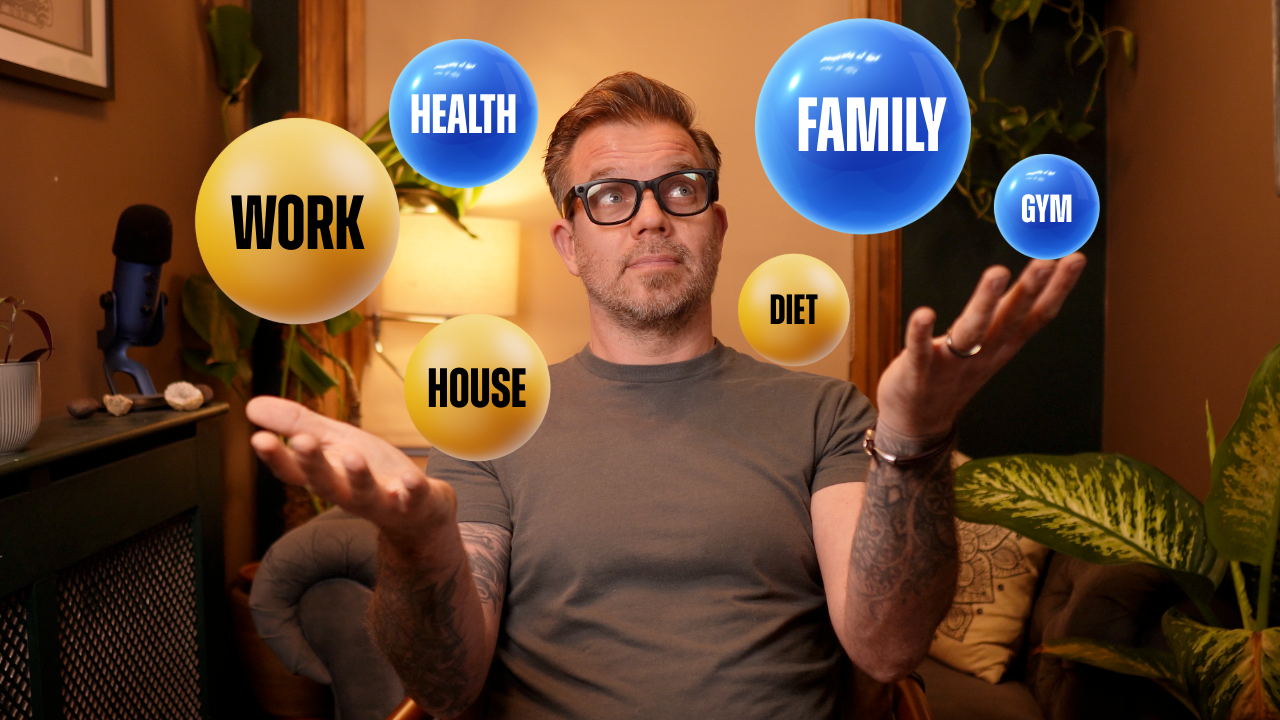
Making Peace With Lifes Trade Offs
For most of my life, I believed discipline was the key to everything. If I could stay consistent, if I could push through resistance, if I could do what I said I would do, then progress would take care of itself. And for a long time, that belief worked.
Discipline helped me build trust with myself. It allowed me to set goals and follow through. It gave me confidence that if I committed to something, I would see it to the end. When life was simpler and my focus could stay on one or two priorities, discipline felt clean and effective.

When to Step Back
Recognising the Signs of Over Control and Fatigue
Most leaders dont start out as micromanagers. They slide into it slowly, almost without noticing. It rarely begins with a desire for control. It begins with tiredness. With overwhelm. With the sense that if you dont hold everything together, the whole thing might fall apart.

A Year of Shedding. A Year of Becoming.
This year has been a year that stripped so many of us right back to the foundations. A year of endings. A year of shedding. A year that forced us to let go of things we never thought we would have to release. It has been confronting at times. It has been heavy. And for a lot of us it has been one of the hardest years we can remember.

Culture Without Chaos
Building a Team That Runs on Clarity, Not Emotion
People often think a strong team culture comes from charisma or big personality. But culture is not created by hype. Culture is created by consistency. If your team relies on your mood or emotional energy to function, the culture is not healthy. It is unstable, unpredictable, and dependent on you.

Nobody Has It All Together
The Truth Behind the Moments We Do Not Share**
There is a quiet illusion that follows all of us around. The illusion that everyone else has their life sorted while we are the ones barely managing to keep up. You see people online sharing their best moments. You watch creators and entrepreneurs talk with confidence about discipline, clarity and routines. You read posts from people who seem to have the exact words you need to hear. And without meaning to, you begin to believe they are living a different kind of life. One without doubt. One without fear. One without spirals.

Boundaries That Build Better Leaders
Most leaders think boundaries restrict them. They imagine boundaries push people away or make them less supportive or less available. For a long time I believed the same thing. I thought saying yes made me reliable. I thought being available meant I cared. I thought stepping in meant I was strong.
But all it really did was drain me.
And over time it made me resent the very job I had once loved.

Fail Fast, Pivot With Purpose, And Learn From Every Fall
There is a strange truth I have learned through experience rather than theory. Some of the best things in your life only happen because something else fails. It does not feel like that when you are in the middle of it. When things fall apart it feels heavy and personal. It feels like you have lost control and lost direction. But when you look back, you realise that those moments were the turning points. The places where life quietly redirected you toward something better.
Over the years I have had to fail fast, pivot quickly, and accept truths I did not want to face. And looking back now, I can see how each of those moments built me rather than broke me.